Are digital collectibles really rare? The Illusion of Rarity — Digital vs. Physical Collectibles

In recent years, the world of collecting has undergone a transformative shift with the rise of digital collectibles. NFTs (Non-Fungible Tokens) and blockchain technology have given collectors new avenues to explore, breaking away from the traditional realm of physical collectibles. While the digital space boasts unique advantages, such as transparency and accessibility, the notion of rarity in digital collectibles may be more illusory than it initially seems.
One of the primary arguments in favor of digital collectibles is their supposed rarity. Each digital asset is often represented by a unique NFT, ensuring its scarcity in the digital realm. However, the transparency of blockchain technology may challenge this notion of rarity when compared to traditional physical collectibles.

Physical collectibles often derive their rarity from anonymity. Limited edition prints, autographed memorabilia, or vintage items gain value because their production numbers and authenticities are challenging to trace. In contrast, the blockchain, which underlies most digital collectibles, ensures a transparent and traceable history for each item. Every transaction and ownership change is recorded on the blockchain, allowing anyone to track the scarcity and provenance of a digital collectible.
While the transparency of the blockchain offers a unique advantage, it also contributes to the potential dilution of rarity. Digital collectibles are easily searchable and discoverable by anyone with an internet connection. The digital ledger ensures that the entire history of a collectible is accessible at the click of a button, making it challenging to claim true scarcity.
In the physical world, discovering the origin, ownership history, or even the existence of a rare collectible can be a complex and often unreliable process. The lack of a centralized, transparent database for physical items contributes to the mystique surrounding their rarity. Digital collectibles, on the other hand, are inherently more transparent, leaving little room for uncertainty.
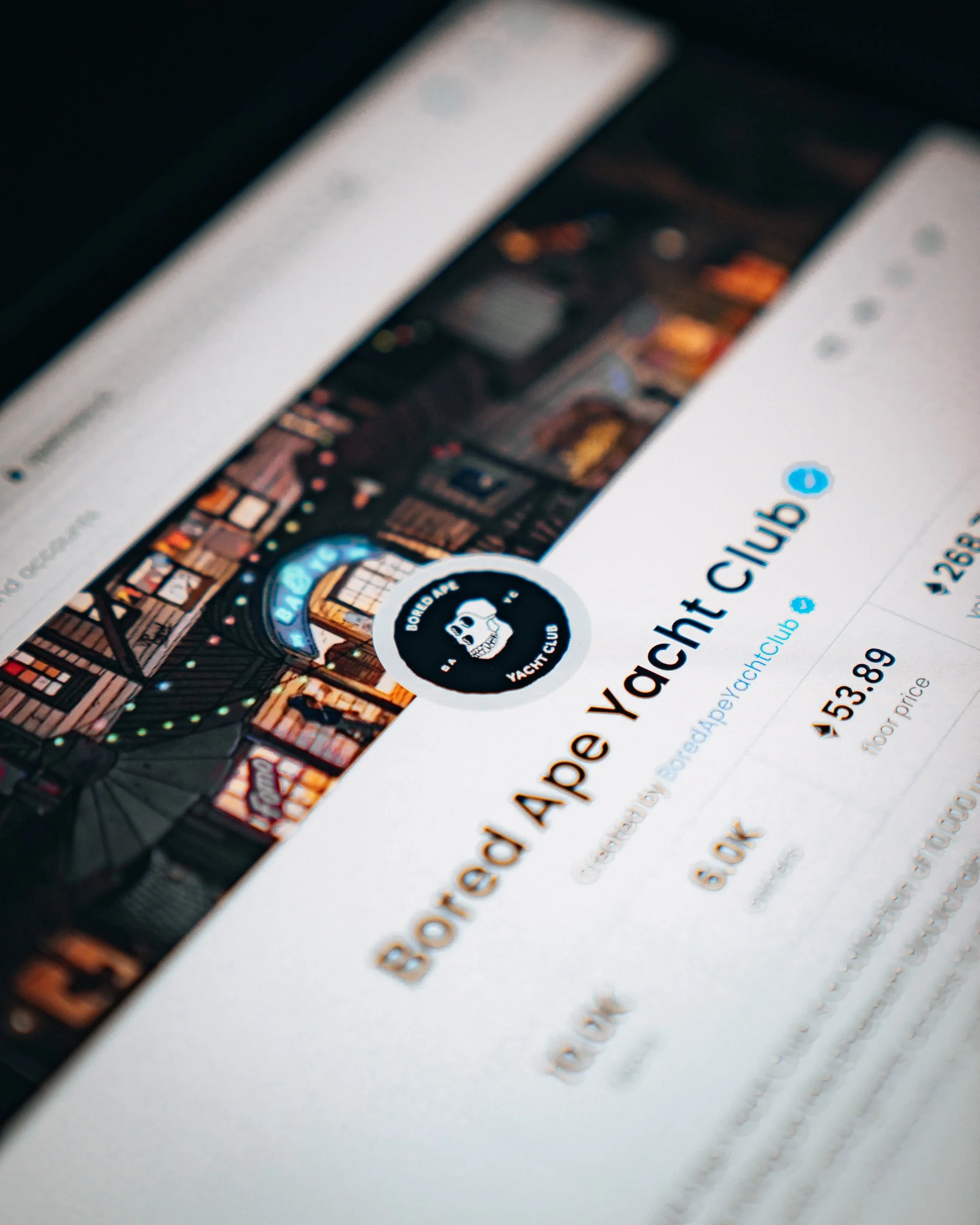
The accessibility and transparency of digital collectibles might lead to a situation where the market inflates the perceived rarity of these items. The ease with which collectors can verify the scarcity of a digital asset might contribute to a speculative bubble. As more people engage in digital collecting, the perceived rarity of these items may be exaggerated, potentially leading to market fluctuations.
While digital collectibles offer a new and exciting frontier for collectors, the notion of rarity in this realm is not as straightforward as it may seem. The transparency provided by blockchain technology ensures a clear and traceable history for each digital asset, challenging the traditional idea of rarity associated with physical collectibles. As the world of collecting continues to evolve, understanding the dynamics between digital and physical collectibles becomes crucial for collectors navigating these diverse and dynamic markets.